What a Crypto Investment Platform Really Does (and Why It Matters)
A modern crypto investment platform is more than a place to buy and sell digital assets. It’s a secure gateway that blends custody, market access, automated strategies, and compliance into one streamlined experience. At its core, a platform connects you to liquidity—centralized exchanges, market makers, or decentralized protocols—so orders are executed reliably with minimal slippage. On top of that market layer sits tooling for risk controls, reporting, portfolio management, and increasingly, AI-driven decision-making that can help analyze volatility, momentum, and on-chain data.
Security is the foundation. Leading platforms deploy multi-layered defenses such as offline cold storage for reserves, multi-party computation (MPC) for key management, and strict segregation between company and client assets. Additional safeguards like hardware security modules (HSMs), withdrawal allowlists, time locks, and anomaly detection help protect funds and reduce the impact of single points of failure. Strong user security—mandatory 2FA, device verification, and phishing-resistant authentication—completes the picture.
Compliance and transparency are equally important. Platforms serving U.S. clients typically register with or report to relevant agencies, follow robust KYC/AML procedures, and may pursue state-level approvals where required. Detailed disclosures—fee schedules, execution venues, and risk statements—help you understand how your money moves. Some providers publish regular third-party audits or proof-of-reserves attestations to strengthen trust. Transparent performance reporting and real-time dashboards give visibility into allocations, realized and unrealized P/L, and historical drawdowns.
Today’s platforms increasingly integrate institutional-grade trading tech—smart order routing, risk engines, and latency-sensitive infrastructure—wrapped in approachable interfaces suitable for both retail and professional users. For investors who prefer a hands-off approach, you’ll often find model portfolios, rebalancing tools, and automated strategies. For the more advanced, algorithmic execution, APIs, and custom signals open the door to systematic trading. The best systems combine this functionality with round-the-clock support and clear escalation paths, ensuring operational resilience even during market stress. In short, a well-designed crypto investment platform transforms complexity into clarity, letting you focus on strategy instead of plumbing.
How to Evaluate Platforms: Security, Compliance, Fees, and Transparency
Selecting the right crypto investment platform starts with security. Look for documented custody architecture—cold storage, MPC, or qualified custodians—plus evidence of independent audits (financial, security, or SOC 2/ISO certifications). Ask how client funds are segregated, how withdrawal permissions are enforced, and what incident response processes are in place. Verify whether bug bounty programs, penetration testing, and continuous monitoring are part of the platform’s routine, not just marketing claims.
Next, scrutinize compliance and jurisdiction. U.S.-focused investors should check for adherence to federal and state regulations, robust KYC/AML policies, and transparent disclosures that reflect a mature approach to risk and consumer protection. Platforms operating from well-regulated financial hubs—such as New York—often emphasize governance, auditability, and ongoing regulatory alignment. Documentation that explains corporate structure, headquarters, and oversight frameworks is a positive signal of long-term credibility. Genuine transparency often includes leadership bios, risk factor summaries, and clear terms of service.
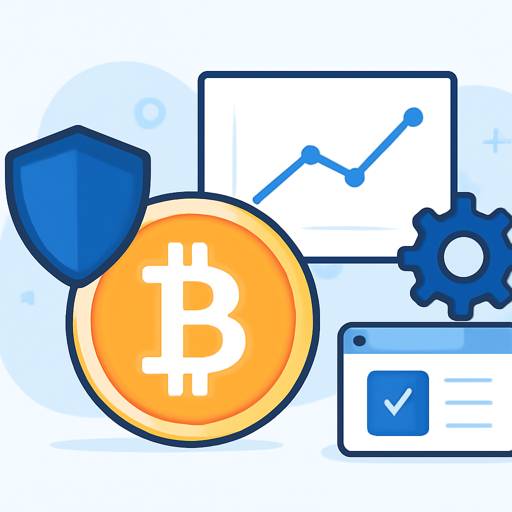
Costs matter more than most realize. Go beyond headline trading fees and compare spreads, funding rates, and slippage across order sizes. Some providers offer tiered pricing, maker-taker models, or discounted fees for higher volumes. Understand how margin, staking, or yield features are priced, and whether there are custody, withdrawal, or inactivity fees. A clear, itemized fee schedule indicates respect for the client and helps you forecast net returns under different market conditions.
Finally, evaluate performance data, tooling, and usability. Reliable platforms present time-weighted returns, drawdowns, and benchmarks so outcomes aren’t cherry-picked. They also provide strategy-level analytics, risk limits (like max position sizing or daily loss caps), and stress testing for volatile markets. For traders who value automation, look for AI-driven signals, configurable bots, and rebalancing rules with backtesting. For those who prefer simple allocation, assess dollar-cost averaging (DCA), recurring buys, and easy-to-understand portfolio views. Support channels—live chat, email, and knowledge bases—should be responsive, with clear SLAs and education that elevates user competence. Put together, these factors help separate marketing hype from operational excellence.
Smart Strategies and Real-World Use Cases with an AI-Ready Platform
Once you’ve found a secure, compliant, and transparent provider, the question becomes how to use a crypto investment platform effectively. For long-term savers, a DCA plan into assets like BTC or ETH reduces timing risk and smooths entry points during volatility. Combining DCA with auto-rebalancing helps maintain a target allocation—for example, 60% BTC, 20% ETH, and 20% cash or stablecoins—so that gains are periodically harvested and risk stays consistent. Setting guardrails such as a maximum daily allocation or a pause-if-volatility-spikes rule can further protect capital during extreme conditions.
For data-driven investors, AI-assisted strategies can analyze market microstructure, momentum bursts, and funding imbalances to inform entries and exits. The key is discipline: use capped leverage (or none at all), define strict stop-loss and take-profit rules, and monitor correlations so you’re not inadvertently doubling exposure across similar trades. Backtesting on clean data and forward-testing in a paper environment help validate hypotheses before live deployment. In production, alerts for drift, slippage, and performance anomalies keep strategies in check.
Consider concrete scenarios. A New York-based professional might prioritize platforms that showcase robust governance and operational transparency, pairing automated BTC allocation with strict drawdown controls. A global investor facing inconsistent local liquidity may prefer providers that aggregate venues for better execution and automatically route orders to minimize costs. An advisor managing multiple client mandates could use role-based access, segregated sub-accounts, and consolidated reporting to maintain oversight without commingling funds. What unites these cases is the blend of security-first architecture with institutional-grade automation, allowing users to scale confidently while maintaining auditability.
Finally, operational hygiene amplifies platform safeguards. Use hardware-backed 2FA, unique passwords via a reputable manager, allowlists for withdrawal addresses, and session alerts for new logins. For taxation, keep meticulous records of cost basis and disposals; many platforms export data compatible with tax software, simplifying compliance. Keep in mind that crypto carries market, liquidity, and counterparty risks—no system eliminates them—so position sizing and diversification matter. To explore automated allocations, strategy tiers, and transparent performance reporting in one place, review a leading crypto investment platform that integrates AI-driven execution with rigorous security and governance.

Chennai environmental lawyer now hacking policy in Berlin. Meera explains carbon border taxes, techno-podcast production, and South Indian temple architecture. She weaves kolam patterns with recycled filament on a 3-D printer.